



Treatment
Parts of a Tooth
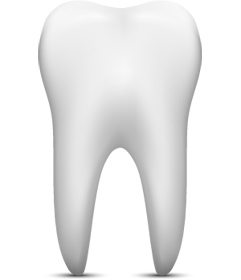 Your tooth consists of two main parts:
- The crown, which is that part of the tooth above the gum and visible in your mouth
- The root (or roots), which is the part of the tooth that lies beneath the gum and is surrounded by bone.
- Inside each root is a channel that runs the length of the tooth. This channel is the root canal and contains the pulp (nerves, blood vessels, and soft tissue), which is often referred to as the “nerve” of the tooth.
- The pulp may be irreversibly damaged by bacteria associated with decay, very deep restorations, fractures, trauma, or periodontal disease.
How To Save A Tooth
In order to preserve a tooth in which this has occurred, it is necessary to remove the diseased pulp tissue. This procedure is known as endodontic therapy. Since endodontic therapy is concerned with removing only the pulp from the root canal, the root will continue to function normally because the supporting tissues remain intact. It is advisable to remove the injured pulp because it may become infected or act as an irritant to the tissues surrounding the tooth.
Tooth Saving Tips
Patients today have more options than ever before to treat their teeth. Understanding your choices and their impact on your future dental health and lifestyle is important. Read on to learn why nothing is as good as your natural tooth and get simple tips for saving your teeth!
How to Save your Tooth
Saving a natural tooth through endodontic treatment should always be the first choice for the best health and cosmetic results. There are many advantages to saving your natural tooth:
- efficient chewing
- normal biting force, so you can continue to eat your favorite foods
- maintains a natural appearance
- limits the need for more costly, ongoing dental work
Tips for Saving Your Teeth
- If you are given a choice between root canal treatment or tooth extraction, always choose root canal treatment. Dentistry has yet to produce a denture, bridge or implant that looks, feels and functions as well as a natural tooth.
- Endodontists are dentist who specialize in saving teeth, and have at least two to three years of advanced training in root canal procedures. They are experts at diagnosing and relieving tooth pain, and use advanced equipment to treat patients quickly and comfortably. Your dentist probably has partnerships with endodontists in your area already.
After Endodontic Treatment
- Your tooth and surrounding gum tissue may be slightly tender for several days as a result of manipulation during treatment and previous condition of your tooth. This tenderness is normal and is no cause for alarm.
- Do not chew food on the affected side until your endodontic therapy is completed and your tooth is covered with a protective restoration provided by your restorative dentist.
- You may continue your regular dental hygiene regimen.
- Discomfort may be alleviated by taking ibuprofen (Advil), aspirin, or acetaminophen (Tylenol) as directed.
NOTE: Alcohol intake is not advised while taking any of these medications. Should you experience discomfort that cannot be controlled with the above listed medications, or should swelling develop, please contact this office immediately.